


Katastroke Rehab
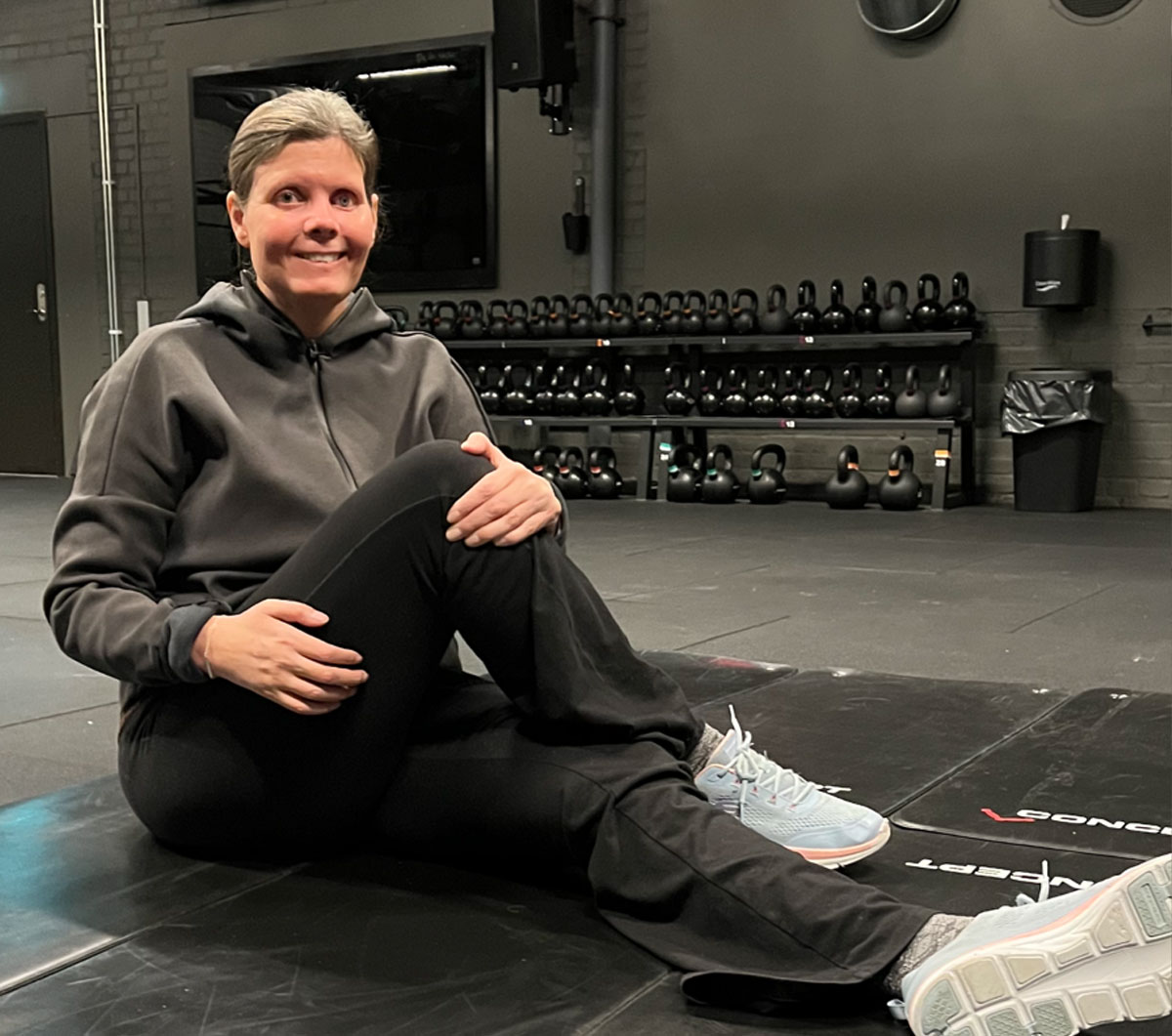
When I suffered a brain hemorrhage in 2017, my life changed completely. Since then, rehabilitation has been a big part of my everyday life. Much of my training has been done on my own, but with valuable help and support from talented therapists along the way. Over the years, I have also met many other people who live with stroke, brain injuries, and other neurological diseases, and I have seen how great the need for continued and intensive rehabilitation is.
That’s why the idea of Katastroke Rehab was born. I wanted to make the type of rehabilitation that I believe in more accessible to more people, while also allowing myself to continue to develop. My dream has long been to create the opportunity for intensive neurological rehabilitation close to everyday life, and now Katastroke Rehab is finally a reality.
Here you will meet an experienced team of physiotherapists and speech therapists who tailor the rehabilitation to your specific circumstances, needs and goals. I strongly believe that training should be challenging and difficult, but not impossible. That is where the development happens.
During the period, we train every day between 09:30 and 17:15. The program includes a total of 5 hours of intensive neurological rehabilitation per day, interspersed with breaks, coffee breaks, and lunch for recovery. The goal is to create the best conditions for development, regardless of where you are on your rehabilitation journey.
I am incredibly happy that together with our fantastic team we are able to offer this opportunity and help more people discover their potential and continue forward.
Read more about the team behind Katastroke Rehab below.
The setup looks like this:
Day 1:
Welcome meeting, 9.00-9.30
Initial assessments and rehab, including coffee breaks, lunch and breaks, 9.30-17.15
Days 2-9:
Rehab, 9.30-17.15, including coffee breaks, lunch and breaks
Day 10:
Final assessments and rehab, including coffee breaks, lunch and breaks, 9.00-17.00
Closing, 17.00-17.15
It is an investment in yourself, where you have the opportunity to focus on your rehabilitation. Katastroke Rehab is held at a large, modern gym.
I am not a physiotherapist, occupational therapist, speech therapist or doctor. I am a survivor of a massive brain hemorrhage and know what it feels like, when everything is taken from you in the blink of an eye.
I know what it feels like to face the world again. I know what it takes from you to succeed in something that hasn’t yet become automatic.
But I also know that new neural pathways can be formed, so that a movement that was impossible yesterday suddenly becomes possible today. But for this to happen, countless repetitions are required.
You don't fail until you stop trying! And I'm not going to stop trying yet✨
Register via the form below or by email:
annika@katastroke.com
Interest form
Katastroke Rehab team
Our staff works with individualized rehabilitation. This means that the training is adapted to you so that it is at exactly your level, with the motto that nothing is impossible. It is always too early to give up.
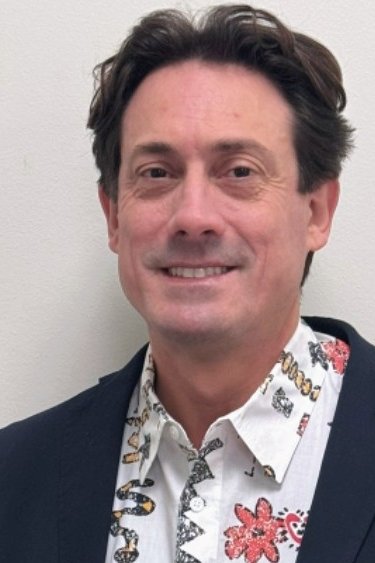
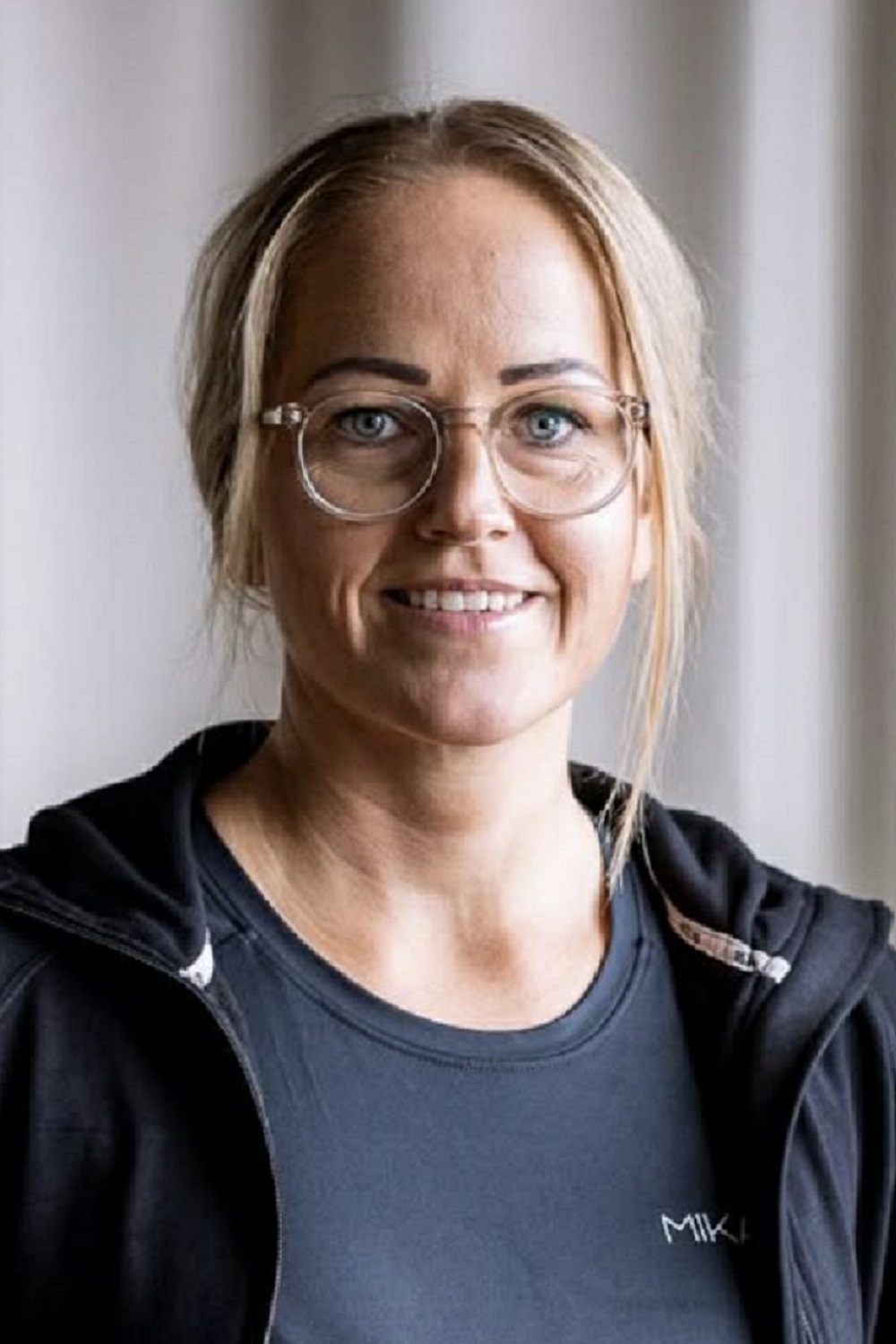
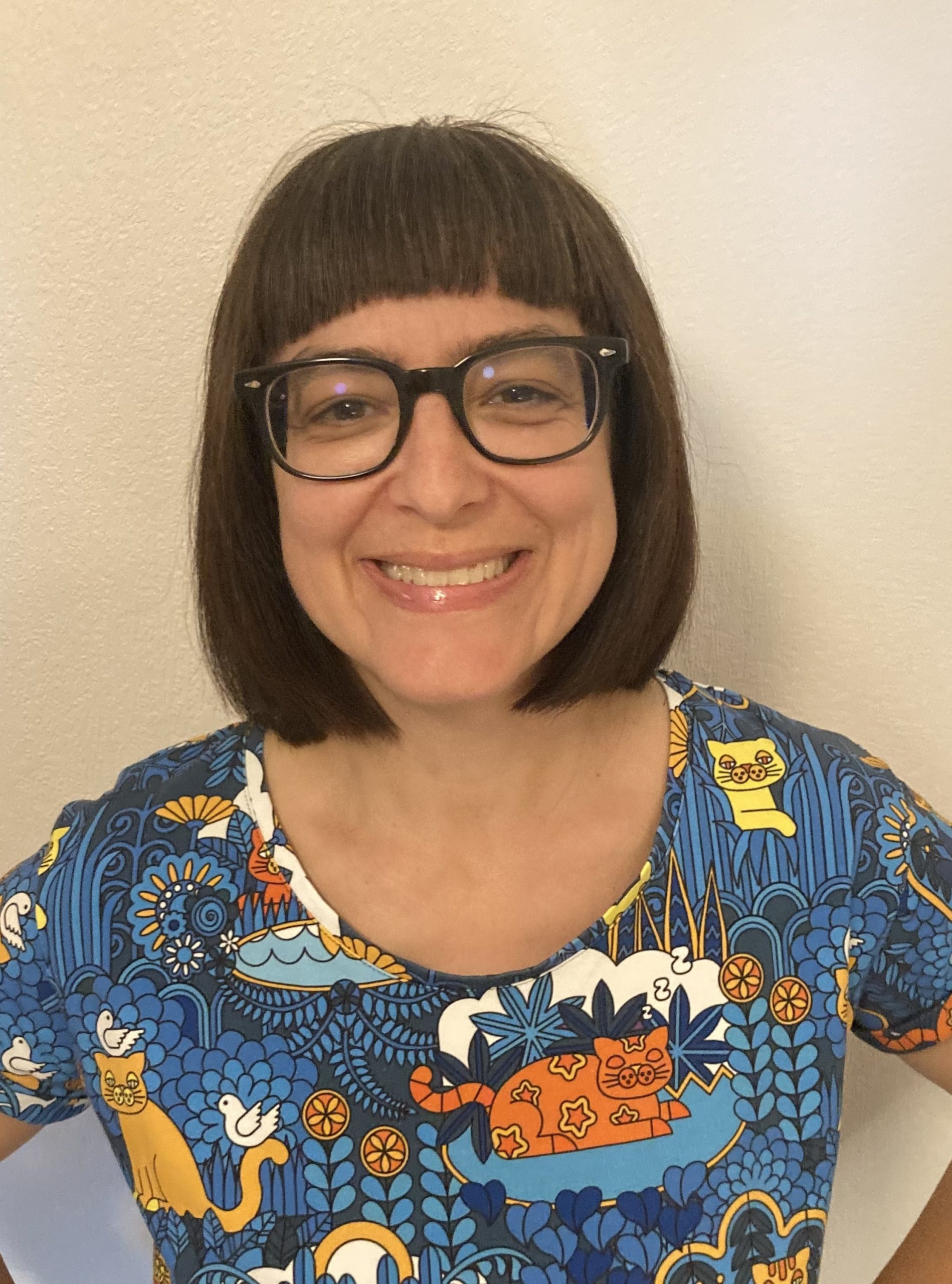
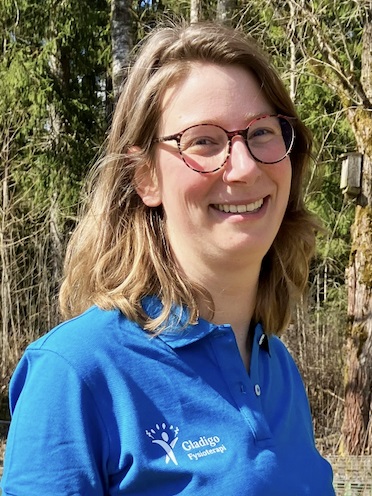
Davide Azzalin – Physiotherapist
(26/10-6/11)
Licensed physiotherapist with approximately 15 years of clinical experience in the Swedish healthcare system. Primary clinical focus is on orthopedic rehabilitation and sports medicine, with a focus on restoring function and improving quality of movement.
He graduated from Lund University and holds a bachelor's degree in movement science from the University of Genoa (Italy). Over the past year, he has worked in Spain at a clinic specializing in intensive neurological rehabilitation. There, he has deepened his knowledge in neurorehabilitation, focusing on high-intensity, task-specific training based on principles of neuroplasticity.
Works according to evidence-based principles with a structured and individualized approach, with the goal of improving function, increasing independence, and promoting sustainable rehabilitation development.
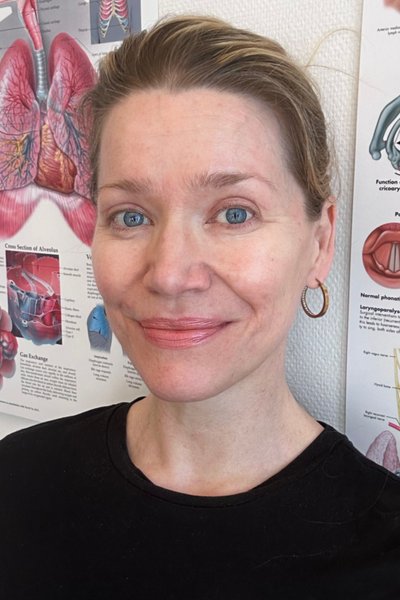
Hanna Norman – Speech therapist
(26/10-30/10)
Hanna is a licensed speech therapist. She is trained at the Karolinska Institute. She works with acquired and neurological speech, language, and voice disorders. She has also worked in the neuroteam at Dalen Hospital. Many years of experience with patients with speech, language, voice, and swallowing disorders after stroke, as well as patients with underlying neurological diseases such as Parkinson's and MS. She has received further training in the intervention for acquired neuromotor speech disorders at the Karolinska Institute. Together with colleagues, she published her own research on speech fluency disorders in 2022 in the Journal of Communication Disorders.
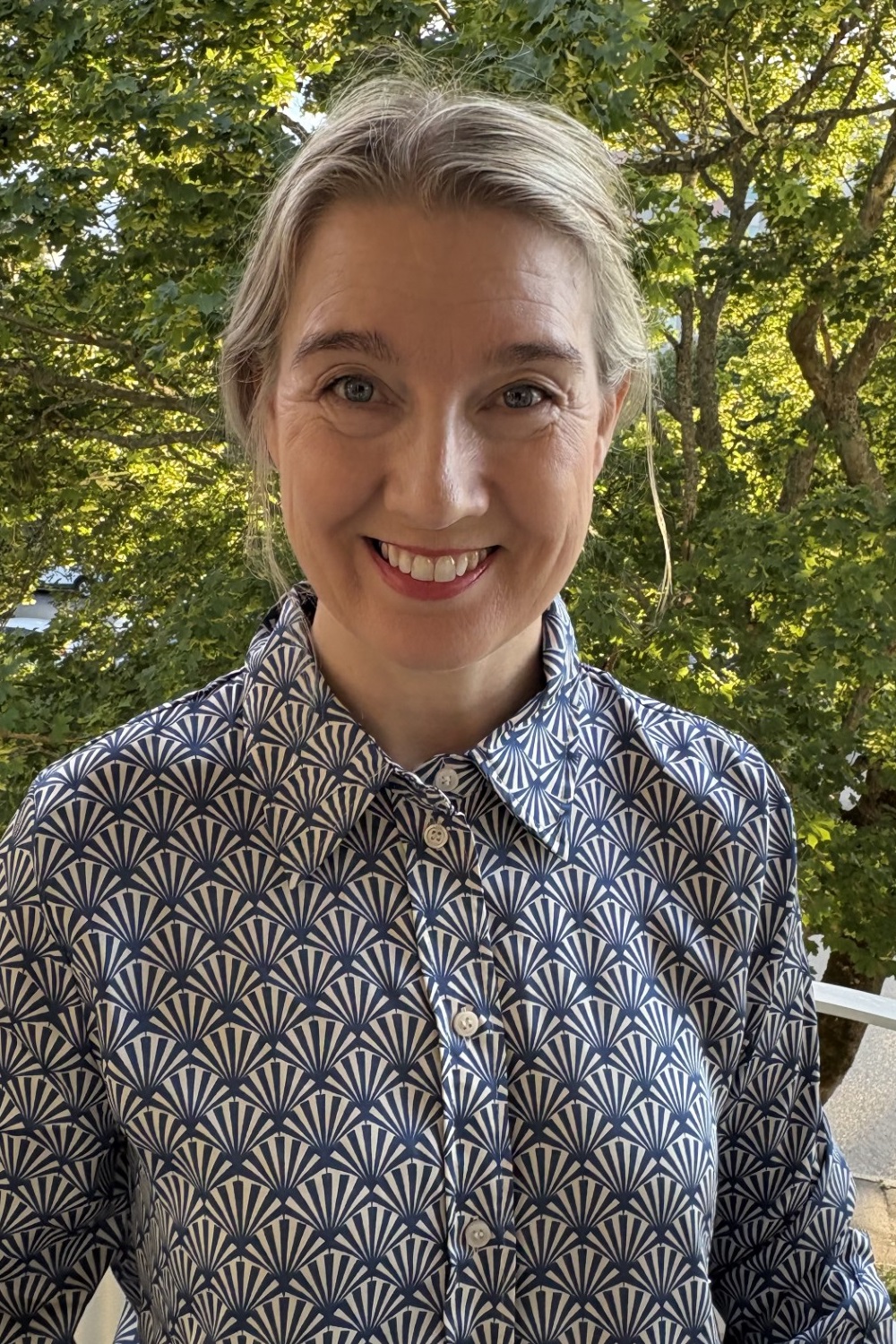
Madeleine Sundberg – Speech therapist
(2/11-6/11)
Madeleine is a licensed speech therapist and graduated from Uppsala University in 2011. She started working as a speech therapy assistant during her studies and therefore has extensive experience in several speech therapy areas. Madeleine has worked with people who have suffered a stroke and also has experience in speech rehabilitation, neurodegenerative diseases (such as Parkinson's disease and MS) that affect voice and speech, as well as dysphagia (difficulty swallowing) and language disorders.
Madeleine is passionate about language, communication and helping people to find their voice and their ability to communicate. Madeleine strives to meet people with sensitivity, warmth and respect, because this is the foundation for good collaboration and, with this, successful rehabilitation.
Mikaela Arbhede – Rehab Assistant
(26/10-6/11)
Mikaela is a gym owner, personal trainer and nutrition consultant. She completed her training at The Academy in Gothenburg.
She loves helping people become a better version of themselves. The look on someone's face when they accomplish something they never thought they could do! It's such a good feeling!
She is attentive and works to ensure that every training session with her is as safe as possible!
Karin Weidenholm – Physiotherapist
(2/11-6/11)
Karin is a licensed physiotherapist with 20 years of experience in neurological rehabilitation. She holds a specialist degree in neurological physiotherapy and has advanced expertise in treating conditions such as spasticity, balance and coordination difficulties, dizziness and pain. Currently, she is also working on a research project in music- and rhythm-based stroke rehabilitation (the Ronnie Gardiner Method) at the University of Gothenburg.
For Karin, the joy of movement comes first and foremost, and she is passionate about exploring what it can mean for each individual. She strives to meet you where you are and for the training to contribute to increased independence in what matters most to you.
Annemarie Lankhorst – Physiotherapist
(26/10-30/10)
Annemarie is a licensed physiotherapist with 14 years of experience in neurological rehabilitation, for people with stroke, MS, Parkinson’s disease and long-term pain, both in the Netherlands and Sweden. She has completed a four-year physiotherapy training in Groningen, a masterclass in neurorehabilitation at VU in Amsterdam, and studied psychology at the bachelor’s level in Leuven, Belgium. Additionally, she has furthered her training in neurological rehabilitation.
In the Netherlands, she has built up a neurorehabilitation network where patients receive team-based rehabilitation within primary care after an intensive rehabilitation period. In addition to training in walking, balance, mobility, and strength, her treatment focuses on helping you regain confidence in your body and creating the conditions to live the most fulfilling and active life possible based on the limitations you experience.